Textilabfall-Schredder
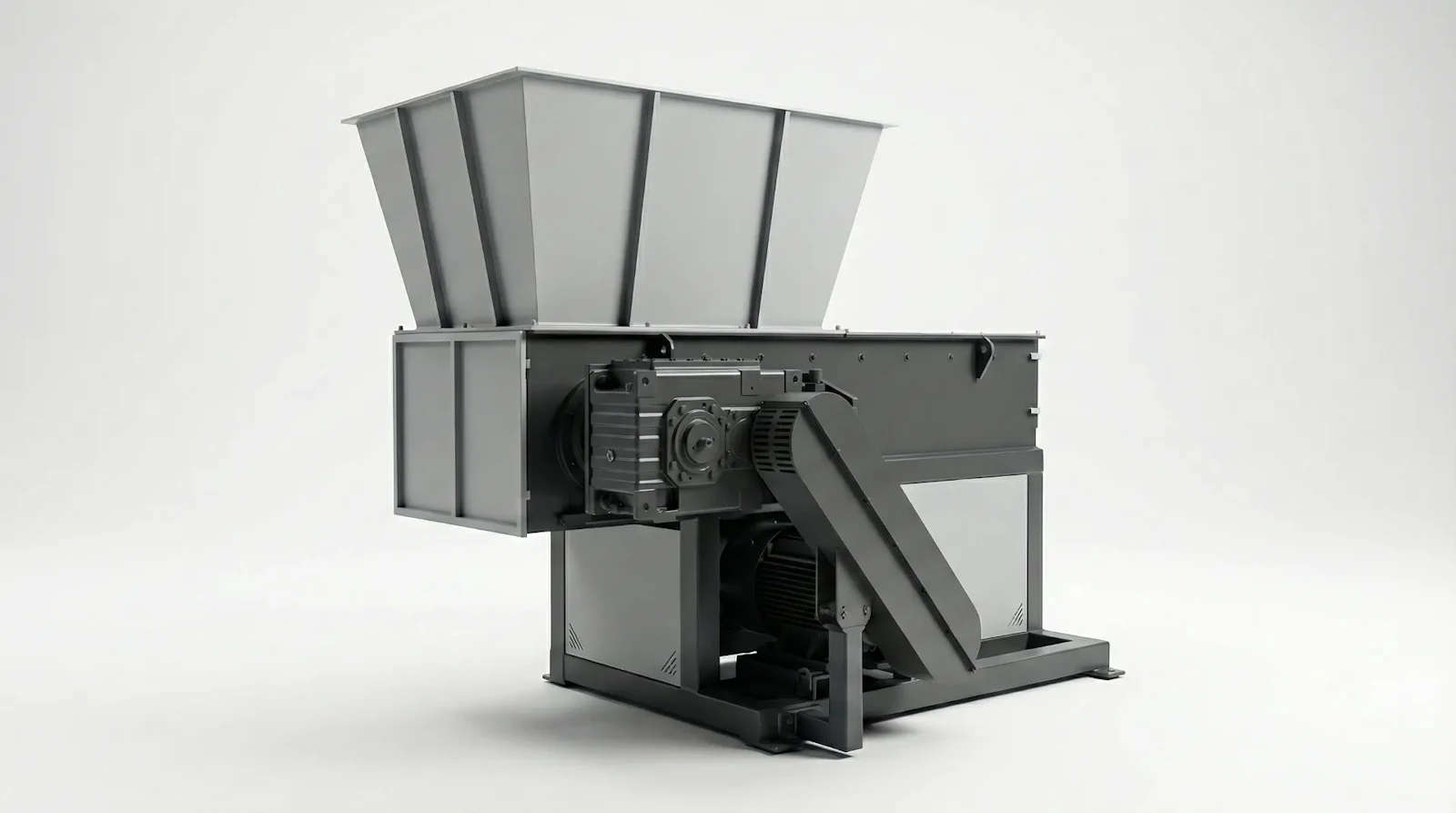
Der Textile Waste Shredder von Repolyx Systems ist ein langsames Zerkleinerungssystem mit hohem Drehmoment, das eine spezielle „Scherschneide“-Funktion nutzt, die für „schwierige“ weiche Materialien entwickelt wurde – Stoffreste, Kleidungsstücke, Vliesstoffrollen, Garnbündel, Teppiche und Mischtextilien.
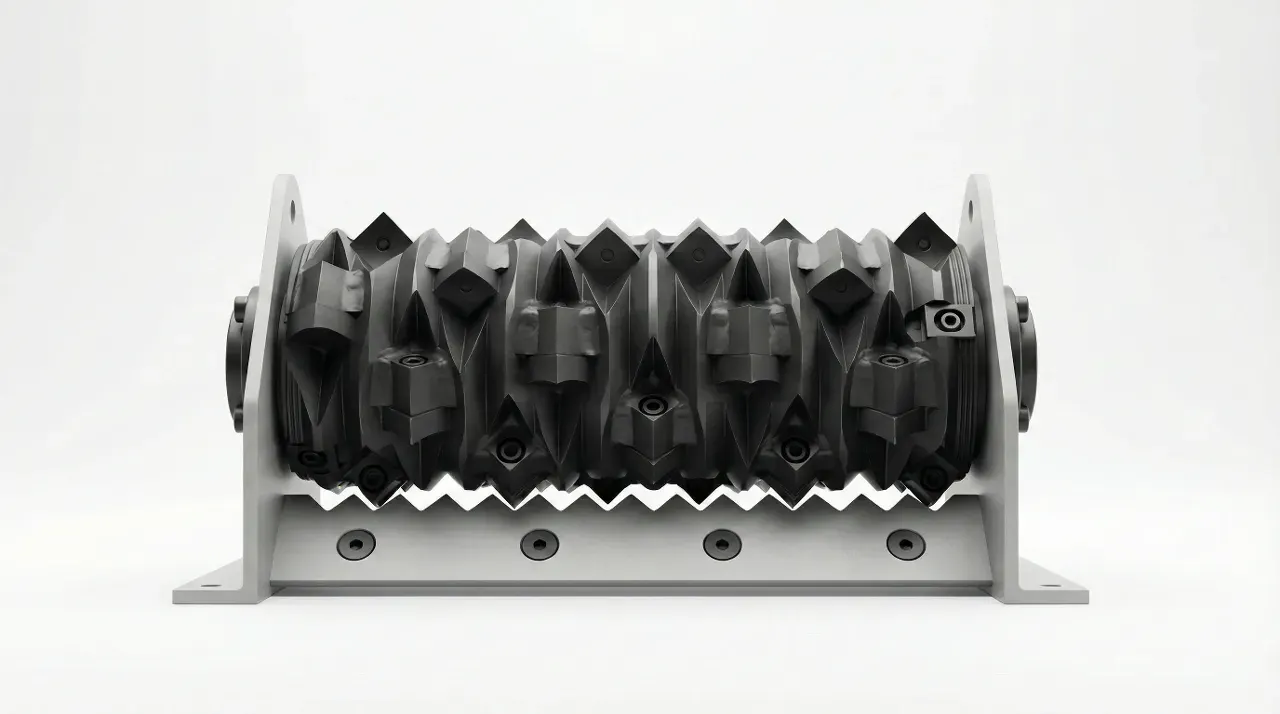
Textilien sind in der Regel elastisch, fadenziehend und neigen zum Wickeln. Unsere Rotorgeometrie verfügt über die Anti-Winding-Technologie, um zu verhindern, dass sich Streifen um die Welle verwickeln. Der V-förmige Rotor schneidet gegen ein festes Gegenmesser und sorgt so für saubere Schnitte auch bei harten synthetischen Fasern wie Nylon und Polyester (z. B. Airbags, Sicherheitsgurte). Die Ausgabegröße wird streng durch das Sieb unter der Kammer bestimmt; Das Material wird kontinuierlich umgewälzt, bis es durch die ausgewählte Öffnung (10–60 mm) gelangt, um eine gleichmäßige Weiterverarbeitung zu gewährleisten.
Anti-Winding-Design
Rotor- und Kammerngeometrie reduzieren Umwicklungen durch faserige Textilien und Garnbündel.
Siebgesteuerter Output
Austauschbare Siebe definieren die Partikellänge (typ. 10–60 mm) für gleichmäßige nachgelagerte Verarbeitung.
Stabile Beschickungsoptionen
Konfigurieren Sie Förderbandbeschickung, Presswalze oder hydraulischen Schieber je nach Schüttdichte und Materialform.
Langsamer, hochmomentaler Antrieb
Leiser Betrieb mit starker Schnittkraft für dichte Rollen, mehrlagige Kleidungsstücke und dicke Stoffstapel.
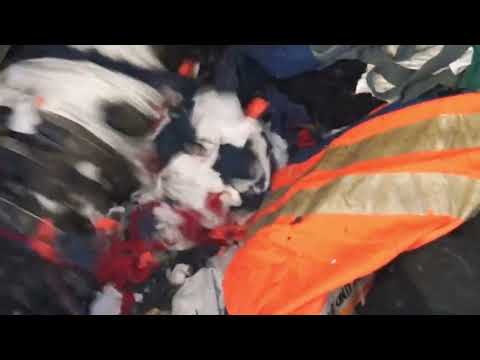
Die Schredderplattform im Einsatz
Sehen Sie die kontrollierte, langsame Zerkleinerung und wie der gesiebte Austrag eine gleichmäßige Stückgröße liefert. Fragen Sie uns nach Anti-Winding-Konfigurationen für faserige Textilien, Garnbündel und gemischte Kleidung.
Kontrollierte Zerkleinerung für weiche, zähe und faserige Textilien
Textilabfälle verhalten sich anders als harte Kunststoffe: Sie dehnen sich aus, falten sich und können sich um Wellen wickeln. Unsere Schredderplattform konzentriert sich auf stabile Beschickung und eine Anti-Winding-Schneidgeometrie, um eine berechenbare, siebgeregelte Ausgabe zu liefern.
Nutzen Sie sie als primären Zerkleinerungsschritt vor Faseröffnung, Sortierung, Verdichtung oder RDF-Aufbereitung. Ob Sie Gebrauchtkleidung (Jeans, T-Shirts), Industrieabfälle (Teppichverschnitte, Airbags) oder Materialien zur sicheren Vernichtung (Uniformen) verarbeiten – wir passen die Messerkonfiguration an Ihren jeweiligen Stofftyp an.
Ausgabe
Gesiebte Textilstücke (typischerweise 10–60 mm) für Faseröffnung, Sortierung, Verdichtung oder RDF-Aufbereitung.
Am besten geeignet für
Schnittreste, Verschnitte, Kleidung, Vliesstoffe, Garnbündel, gemischte Textilabfälle und Mischgewebe.
Anti-Winding-Merkmale
Messerlayout und Kammerfreiräume helfen, lange Streifen und Wellenumwicklungen zu vermeiden.
Flexible Beschickung
Verarbeitet lose Schnitte, verpackte Abfälle oder Rollen in Kombination mit dem passenden Beschickungssystem.
Gesiebter Austrag
Das Material bleibt in der Kammer, bis es die Zielgröße erreicht – für bessere Prozesskontrolle.
Systemintegration
Kombinierbar mit Förderbändern, Metalldetektion, Absaugung und nachgelagerter Faserverarbeitung.
Einordnung in eine Recyclinglinie
- Upstream: Sortierung (Metalle/Hartteile entfernen), optionale Metalldetektion und Vorschneiden
- Diese Stufe: Primärzerkleinerung zu gesiebten Textilstücken
- Downstream: Faseröffnung / Trennung, Verdichtung/Ballenpressen oder RDF-Aufbereitung (prozessabhängig)
Rotordrehzahl
Ca. 40–90 U/min (materialabhängig)
Messerwerkstoff
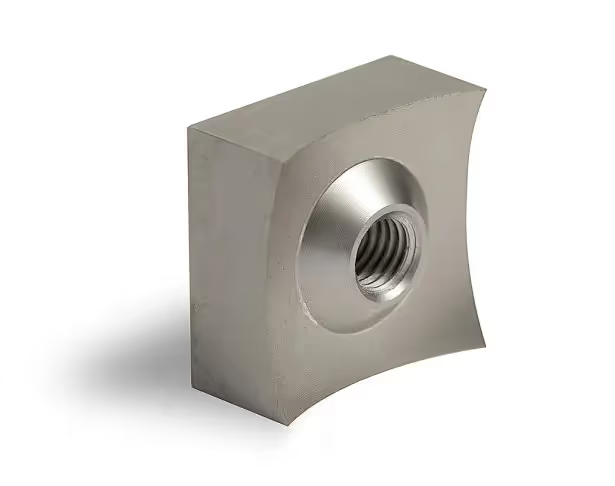
SKD11 (D2) Werkzeugstahl, wärmebehandelt und indexierbar
Sieboptionen
Typisch 10–60 mm, individuelle Sieböffnungen auf Anfrage
Beschickung
Förderband + Presswalze oder hydraulischer Schieber, je nach Materialform
Antriebsleistung
15–110 kW je Modell (Auswahl abhängig von Textilart und Dichte)
Anti-Winding-Ausrüstung
Kamm-/Abstreiferelemente und optimierte Freiräume (konfigurationsabhängig)
Kammergrößen
Schnittbreiten von 600–2000 mm
Durchsatz
Material- und siebabhängig; nennen Sie uns kg/h-Ziel und Ausgangsmaterial für eine maßgeschneiderte Schätzung
| Modell | Schnittbreite (mm) | Motorleistung (kW) | Sieb (mm) | Typischer Einsatz |
|---|---|---|---|---|
| RTM‑TX600 | 600 | 15–22 | 10–40 | Leichte/mittlere Textilverschnitte |
| RTM‑TX800 | 800 | 22–37 | 10–50 | Gemischte Kleidung & Vliesstoffe |
| RTM‑TX1000 | 1,000 | 37–55 | 20–60 | Gemischte Textilabfälle mit hohem Durchsatz |
| RTM‑TX1500 | 1,500 | 55–90 | 20–60 | Dichte Rollen / sperriges Material mit separater Beschickung |
Umfassende Garantie und lebenslanger Support: Ihr Erfolg ist unser Ziel
Ihre Investition in einen Schredder von Repolyx Systems ist durch unser Bekenntnis zu Leistung und Zuverlässigkeit abgesichert. Wir bieten umfassende Garantieabdeckung und reaktionsschnellen Service, damit Ihr Betrieb mit höchster Effizienz läuft.
Standardmäßige 1-Jahres-Garantie
Volle 12 Monate Garantie auf die Hauptkomponenten und die Verarbeitung.
Anpassbare erweiterte Garantie
Flexible Optionen für Motoren, Lager, Hydraulik und Steuerungssysteme.
24/7 technischer Priority-Support
Remote-Fehlerdiagnose und Betriebsanleitung, wann immer Sie sie brauchen.
Service vor Ort & professionelle Schulung
Inbetriebnahme, Wartungsschulung und vorbeugende Gesundheitschecks.
Anwendungen für Textilschredder
Primärzerkleinerung für weiche, faserige und mehrlagige Textilabfälle.
Stoffverschnitte
Verschnitte und Produktionsabfälle aus Bekleidungs- und Polstermöbelproduktion (Baumwolle, Polyester, Seide usw.).
Kleidung & Mischtextilien
Gebrauchtkleidung wie Jeans, T-Shirts und gemischte Lumpen. Metalldetektion für Reißverschlüsse/Knöpfe möglich.
Teppiche & Läufer
Strapazierfähige Rückenbeschichtung und synthetische Fasern in Post-Consumer- oder Industrieteppichabfällen.
Vliesstoffe & Airbags
Hochfeste technische Textilien, Airbags und Sicherheitsgurte, die scharfe Scherwirkung erfordern.
Garnbündel
Garnabfälle, Selvedge und faserige Bündel, die eine Anti-Winding-Konfiguration erfordern.
Welche Ausgabegröße ist erreichbar?
Die Ausgabegröße wird durch das Sieb definiert. Typische Textilanwendungen verwenden 10–60-mm-Siebe. Kleinere Ausgabe (z. B. für die Pelletierung) erfordert möglicherweise einen nachgeschalteten Granulator oder Kunststoff-Pulverisierer.
Wie reduzieren Sie Umwicklungen durch faserige Textilien?
Wir verwenden einen speziellen V-Rotor mit minimalem Spiel und „Anti-Winding“-Abdeckblechen auf der Welle. Das verhindert, dass sich lange Streifen (etwa Sicherheitsgurte oder Stretchfolie) um den Rotor wickeln.
Kann sie Kleidung mit Knöpfen oder Reißverschlüssen verarbeiten?
Ja, die robusten Messer schneiden kleine Metall-/Kunststoffknöpfe und Reißverschlüsse. Für eine lange Lebensdauer empfehlen wir jedoch ein vorgeschaltetes Förderband mit Metalldetektor, um größere Metallteile zu entfernen.
Was passiert nach dem Schreddern?
Zerkleinerte Textilien können verballen, einer Faseröffnungsmaschine zugeführt (z. B. für Füllmaterial/Dämmung) oder mit einer Pelletiermaschine für Kunststofffolien-Recycling (für Synthetikfasern) zu Granulat verarbeitet werden.
Bieten Sie Beschickungsförderer und Staubbekämpfung?
Ja – wir integrieren Förderbänder, hydraulische Behälterkipper und Zyklonabscheidung für einen sauberen, effizienten Betrieb.