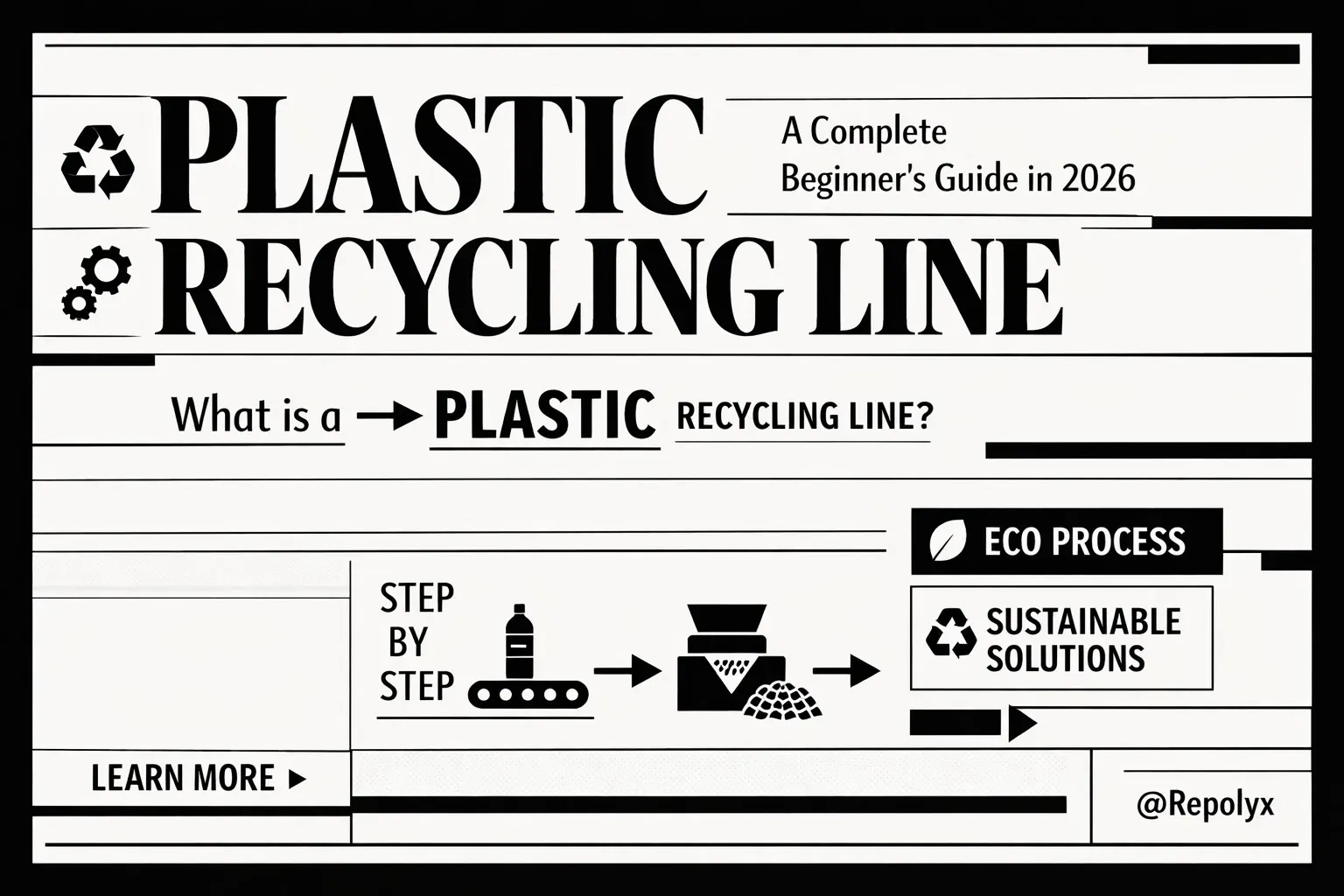
A plastic recycling line processes used plastics from consumer or industrial sources and transforms them into clean, reusable materials like flakes or pellets. Businesses and recycling facilities rely on these systems to handle waste efficiently, cut costs, and meet sustainability goals in today’s market.
Plastic waste continues to grow, but recycling rates remain low. In the United States, only about 13% of plastic packaging gets recycled, according to industry reports. A well-designed recycling line helps turn this challenge into an opportunity by creating high-quality recycled plastics for new products, from packaging to automotive parts.
This guide explains how these lines work, their key parts, and why they matter for professionals looking to invest in sustainable operations.
How a Plastic Recycling Line Works: Step-by-Step
A plastic recycling line follows a clear sequence of stages to convert dirty, mixed plastics into uniform output. Each step removes contaminants and prepares the material for reuse.
1. Feeding and Pre-Sorting
Workers or automated systems load plastic waste onto conveyors. Operators remove large contaminants like metals or paper early to protect equipment.
2. Shredding and Crushing
Shredders or crushers break down bottles, films, or rigid plastics into small flakes, typically 10-50 mm in size. This step increases surface area for better cleaning.
3. Washing and Separation
Flakes move through friction washers, hot or cold tanks, and float-sink systems. These remove dirt, labels, adhesives, and separate plastics by density—lighter materials float while heavier ones sink.
4. Drying and Dewatering
Centrifugal dryers or thermal systems reduce moisture to below 1%. Dry flakes prevent issues in the next stage.
5. Pelletizing (Optional)
An extruder melts the flakes, filters out remaining impurities, and forms uniform pellets through cutting systems. These pellets feed directly into manufacturing processes like injection molding or film blowing.
The entire process runs on automated controls that monitor flow, temperature, and quality for consistent results.
Key Components of a Plastic Recycling Line
Modern lines integrate several machines that work together:
- Shredders/Crushers — Break down waste into manageable pieces.
- Washing Systems — Include friction washers and separation tanks for thorough cleaning.
- Dryers — Use centrifugal or thermal methods to remove water.
- Extruders and Pelletizers — Melt and shape the final product.
- Conveyors and Sensors — Move materials and maintain automation.
Facilities customize these components based on the plastic type—PET bottles, HDPE containers, or LDPE films—and the level of contamination.
Why Businesses Choose Plastic Recycling Lines in 2026
Investing in a recycling line offers practical advantages:
- Cost Savings → Recycled pellets often cost less than virgin materials, and efficient lines reduce energy and labor expenses.
- Environmental Impact → Recycling plastics conserves resources and cuts greenhouse gas emissions. The EPA notes that recycling saves energy—for example, processing 10 plastic bottles provides enough power to run a laptop for over 25 hours.
- Regulatory Compliance → Many regions enforce stricter rules on plastic waste, making on-site or dedicated recycling a smart choice.
- Market Demand → Manufacturers increasingly seek recycled content to meet customer expectations and corporate targets.
At Repolyx, we design lines that match specific needs, from small-scale operations to high-volume facilities, helping clients achieve reliable output and long-term performance.
Common Types of Plastics Processed
Different lines handle specific materials:
- PET → From bottles; often recycled into new containers.
- HDPE → Used for detergent bottles and pipes.
- LDPE/PP → Films and flexible packaging.
- Mixed Plastics → Require advanced sorting for best results.
Choosing the right setup depends on your waste stream and end goals.
Frequently Asked Questions
What output can I expect from a plastic recycling line?
Lines produce clean flakes or pellets, with capacities ranging from 300 kg/hour for smaller systems to over 5,000 kg/hour for industrial setups.
How much space does a line need?
Compact designs fit into existing facilities, while full lines may require dedicated areas—Repolyx can advise based on your requirements.
Is recycling plastics profitable?
Many operations see returns through lower material costs and potential revenue from selling pellets, especially with rising demand for recycled content.
How do I maintain quality?
Regular equipment checks and proper sorting ensure consistent results that meet industry standards.
What trends should I watch in 2026?
Automation, better sorting technology, and higher recycled content mandates drive improvements in efficiency and output quality.
Plastic recycling lines provide a practical way to manage waste while building a more sustainable operation. If you’re ready to explore options tailored to your business, contact Repolyx for guidance on selecting and implementing the right system.